Skill
Strokes that steer
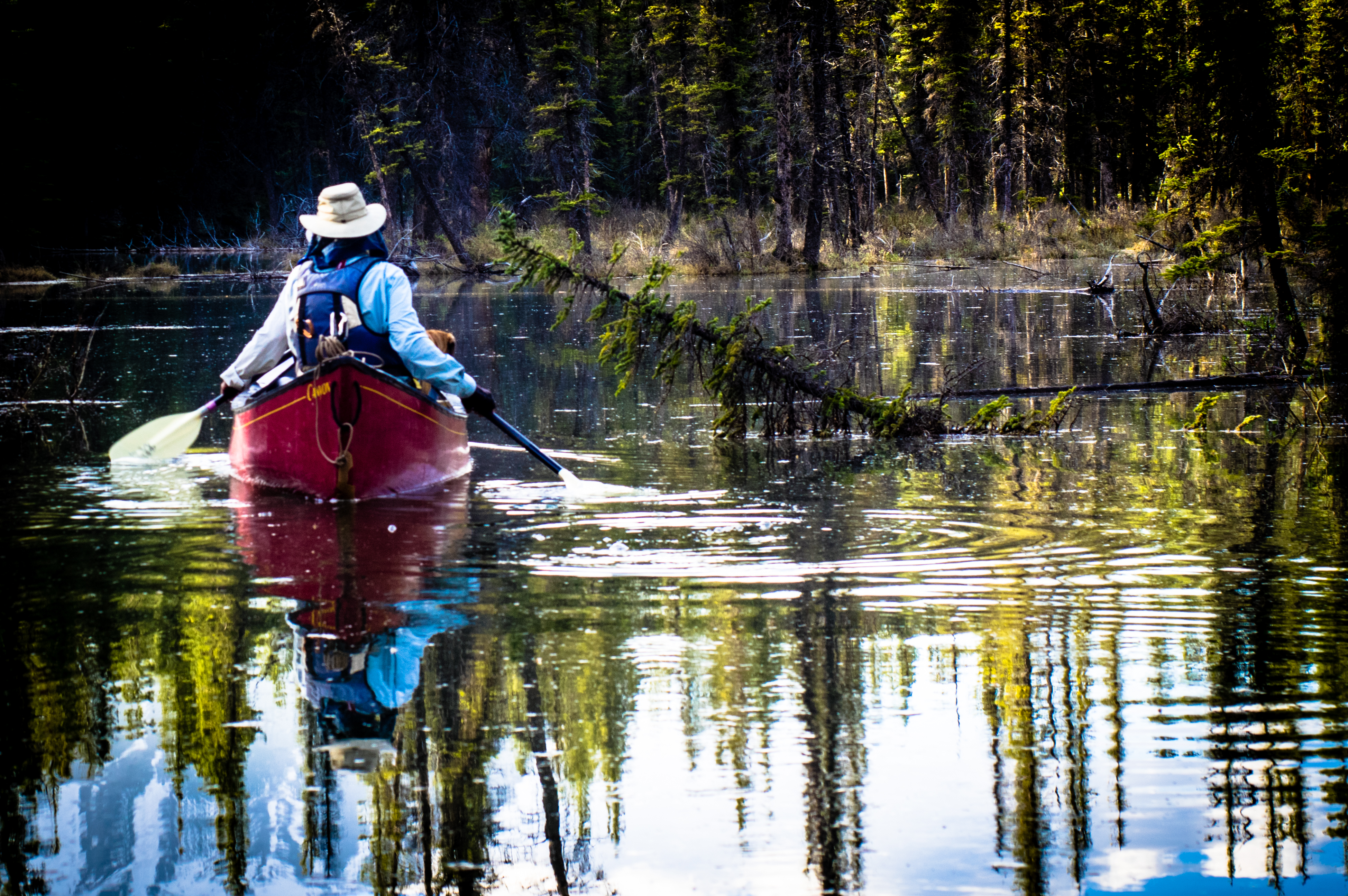
Most directional control comes from a handful of strokes — forward, sweep, draw, and the J-stroke for solo canoeists — not from brute force.
Paddle techniquesCanoeing & Kayaking Basics
Willow Harvest Co is an independent reference covering the core skills of flatwater and moving-water paddling: how a stroke moves a boat, which safety equipment is required by law in Canada, and how to share busy lakes and rivers.

Canoeing and kayaking reward a small number of well-practised habits. The material here explains those habits in plain language and points to the Canadian organisations that set the rules and teach the certified courses.
Skill
Most directional control comes from a handful of strokes — forward, sweep, draw, and the J-stroke for solo canoeists — not from brute force.
Paddle techniquesSafety
Transport Canada sets the minimum equipment for every small vessel, including an approved flotation device for each person aboard.
Safety gearEtiquette
Lakes and rivers are shared with anglers, motorboats, and other paddlers. A few conventions keep launches and narrows calm.
Waterway etiquette
Grip, catch, and the difference between a canoe single-blade and a kayak double-blade — with the corrective strokes that keep a boat tracking straight.
Read article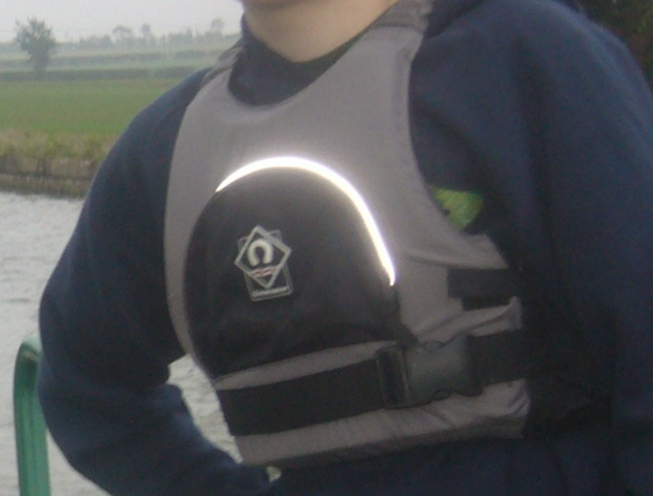
The legally required equipment for canoes and kayaks in Canada, how a PFD should fit, and the cold-water reality of Canadian seasons.
Read article
Right-of-way at launches, passing anglers, leave-no-trace on portages, and how to read a busy narrows without crowding other boats.
Read articleWhy fundamentals first
The recurring themes in Canadian boating safety education are simple: wear a flotation device rather than stowing it, dress for the water temperature rather than the air, and tell someone your route before you launch.
Questions about the material, corrections, or a broken reference? Send a note using the form below. This form runs entirely in your browser and does not transmit data to a server.
Willow Harvest Co summarises publicly available guidance from Canadian authorities and paddling organisations. For binding rules and certified training, consult the sources directly.